
Call Us 24/7
Trailer Interchange Insurance
Trailer Interchange Insurance covers physical damage to non-owned trailers in your custody under trailer interchange agreements, covering collision, theft, fire, and vandalism.

Non-Owned Trailer
Shield
Collision &
Rollover Cover
Fire, Theft
& Vandalism
Intermodal Agreement
Fit
Carrier Disputes
Shield
Coverage Snapshot
| Who Needs It: | Intermodal motor carriers pulling steamship/rail trailers, power-only fleets |
| Protects Against: | Physical damage (collision, fire, theft, vandalism, weather) to non-owned trailers in your care, custody, and control |
| Typical Limit: | $20,000 to $40,000 (dry vans/chassis), $60,000 to $100,000+ (reefers/flatbeds) |
| Key Add-ons: | UIIA Intermodal Endorsement, Non-Owned Trailer Physical Damage (for handshake agreements) |
What is Trailer Interchange Insurance?
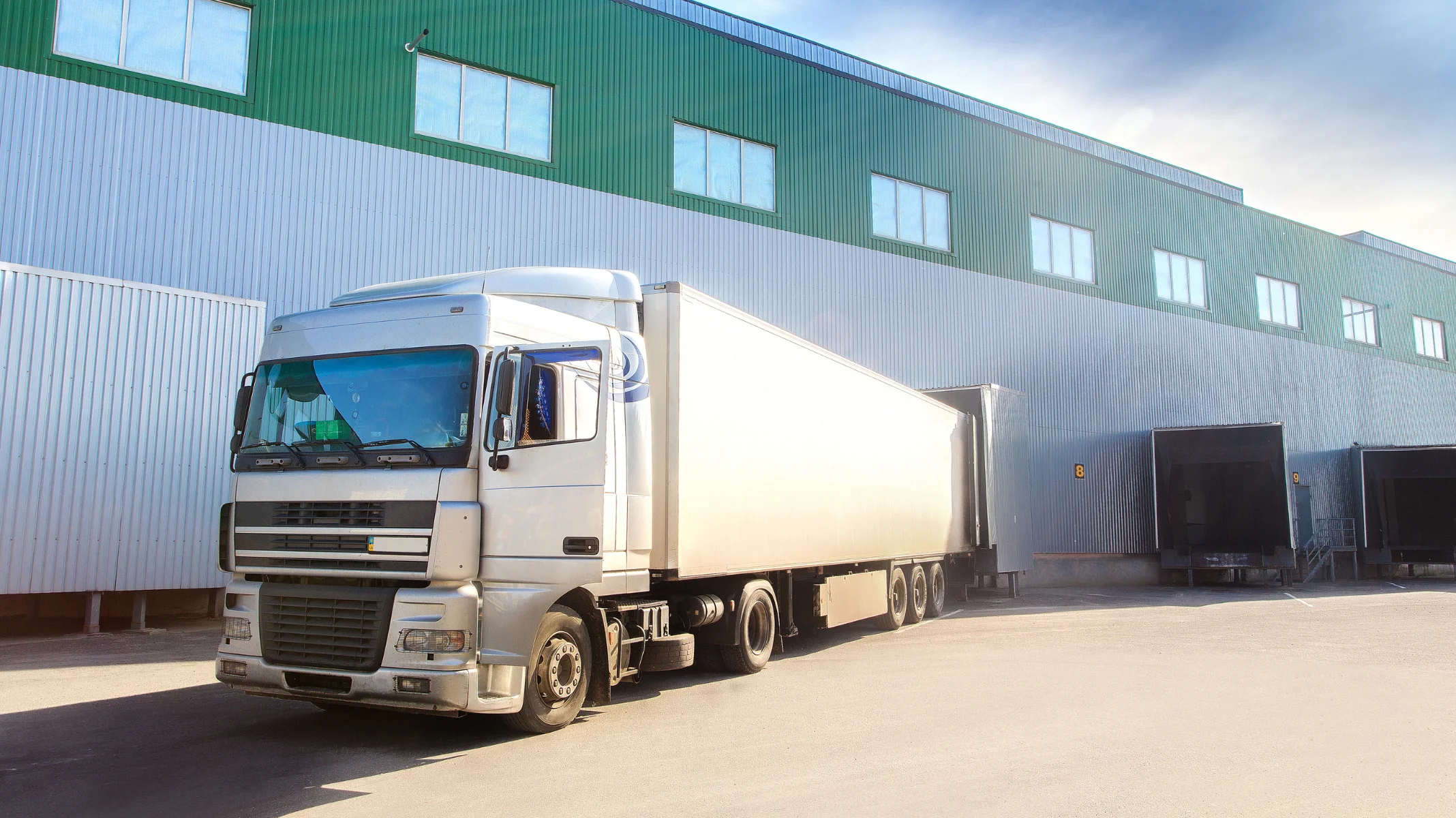
In commercial logistics, Trailer Interchange Insurance is a specialized physical damage coverage that protects non-owned trailers in your care, custody, and control. When you operate under a written trailer interchange agreement (frequently required by steamship lines, rail systems, and intermodal pools), you assume complete financial responsibility for any physical damage that occurs to their trailers while hooked to your tractor. If a non-owned trailer is damaged by collision, weather, or theft while in your possession, this policy covers the loss.
This coverage is highly standardized under the UIIA (Uniform Intermodal Interchange Agreement) and is essential for container and chassis pulling operations at major ports and rail hubs.
Trailer Interchange vs. Non-Owned Trailer Physical Damage
It is crucial to understand that standard insurance policies separate trailer damage into two distinct classes based on the contract:
- Trailer Interchange: Specifically covers physical damage to non-owned trailers when there is a written interchange agreement in place. This is required to satisfy UIIA intermodal rules.
- Non-Owned Trailer Physical Damage: Covers physical damage to trailers that you borrow or lease without a written interchange contract (such as borrowing a trailer from a friend or leasing a trailer on a casual basis).
Real-World Claim Scenario
Scenario: An intermodal carrier pulls a chassis and container from a local rail yard under a standard written UIIA agreement. While turning at a busy intersection, the trailer wheels strike a high concrete curb, causing a tire blowout and severe damage to the chassis axle suspension. The rail yard demands $9,500 to repair the chassis. Because the carrier has active Trailer Interchange coverage, the policy pays the $9,500 minus their deductible, preventing a suspension of their intermodal access.
Who Needs Trailer Interchange Coverage?
This policy is critical for specific trucking niches:
- Intermodal Carriers: Hauling containers and chassis from ports and rail yards.
- Power-Only Operators: Who only provide the tractor cab and hook up to trailers owned by shippers or other carriers under written agreements.
- UIIA Signatories: Required to meet intermodal compliance standards.
Common Mistakes & Expert Advice
Mistake 1: Relying on standard physical damage to cover borrowed trailers. Standard physical damage insurance only covers the trailers explicitly listed on your policy schedule by VIN. If you hook up to a non-owned trailer without Trailer Interchange or Non-Owned Trailer coverages, you have zero physical protection for that trailer cab.
Mistake 2: Hauling without a written agreement in place. Because Trailer Interchange requires a written interchange contract, carrying it on your policy is useless if you borrow a trailer on a handshake agreement. If you operate without written contracts, request Non-Owned Trailer Physical Damage coverage instead.
Frequently Asked Questions
Trailer Interchange FAQ
A trailer interchange agreement is a written B2B contract between motor carriers or between a carrier and an equipment owner (like a steamship line or rail company). Under the agreement, the carrier borrowing the trailer assumes complete liability for any physical damage that occurs to the equipment while in their possession.
No, Trailer Interchange only covers physical damage to the trailer structure itself (tires, axles, panels, landing gear). To protect the cargo, goods, or commodities loaded inside the trailer, you must carry Motor Truck Cargo Insurance.
No. If you own your trailers, they are covered under your standard Physical Damage Insurance policy by scheduling their VINs. Trailer Interchange is strictly for non-owned trailers that you hook up to under a written contract.
Standard limits typically range from $20,000 to $40,000 for dry van trailers and container chassis. However, if you pull refrigerated trailers (reefers) or specialized heavy-haul trailers, limits of $60,000 to $100,000+ are highly recommended to match their higher replacement values.
Real Protection. Real People. Real Results.
Get specialized transportation insurance solutions for owner-operators, motor carriers, and fleets across the United States. Built for truckers, backed by certification.